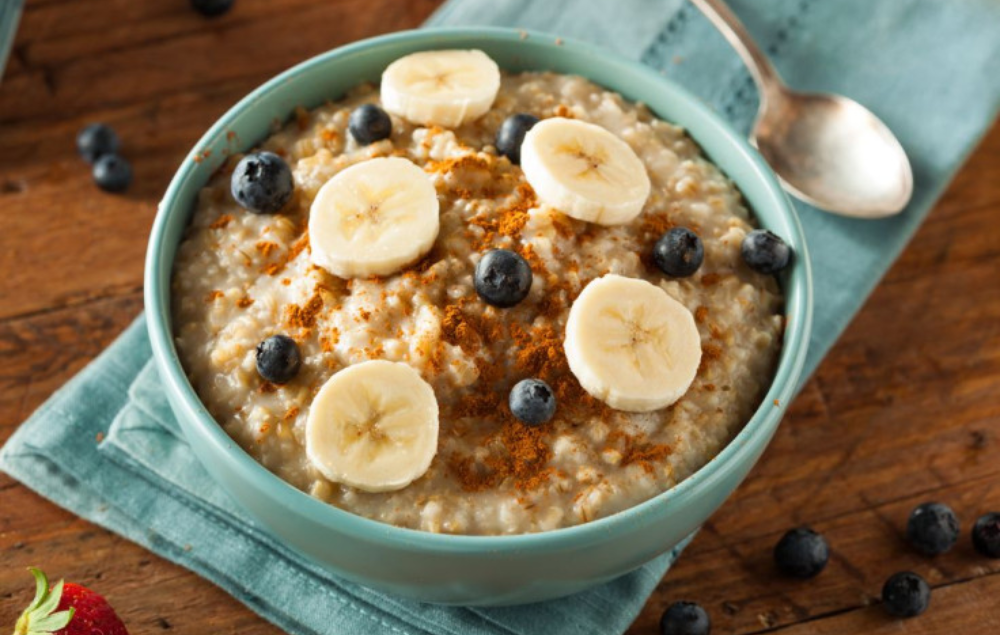
In the ever-evolving world of health trends, oatmeal seems almost too ordinary to stand out. Yet, beneath its humble appearance lies a powerful secret — a type of fiber that doesn’t just aid digestion, but can literally help clear your arteries and stabilize your blood pressure.
Oatmeal’s magic lies in its soluble fiber, specifically beta-glucan. This underrated compound has been quietly proving its worth in scientific studies, showing it can help flush out excess cholesterol, reduce arterial stiffness, and even support long-term heart health. Let’s uncover why this unassuming breakfast food might be one of the most powerful tools for cardiovascular wellness.
The Heart-Healing Power of Oatmeal Fiber
When most people think of fiber, they imagine improved digestion or better gut health. But the fiber in oats does much more than that — it actively interacts with your bloodstream to help protect your arteries and regulate blood pressure.
The soluble fiber in oatmeal forms a gel-like substance in your gut that binds to cholesterol particles. This prevents bad cholesterol (LDL) from being absorbed into your bloodstream. Over time, less LDL means fewer fatty deposits in your arteries, allowing blood to flow freely and keeping your cardiovascular system healthy.
Researchers have also noted that regular oatmeal consumption can lead to improved endothelial function — that’s the lining of your blood vessels — which plays a crucial role in blood pressure control. In simple terms, eating oatmeal helps your blood vessels stay flexible, reducing strain on your heart.
How Oatmeal Helps Flush Arteries and Balance Blood Pressure
Think of oatmeal fiber as your body’s natural cleansing system. Here’s what it does:
- Flushes out excess cholesterol: The beta-glucan in oats traps cholesterol and carries it out of the body.
- Prevents plaque buildup: Fewer cholesterol particles mean fewer blockages inside your arteries.
- Improves circulation: Clearer arteries allow better blood flow, reducing your heart’s workload.
- Stabilizes blood pressure: With smoother blood flow and less vascular resistance, blood pressure levels remain more stable.
In a world full of high-fat diets and processed foods, this natural cleansing action is one of oatmeal’s most overlooked superpowers. Just a small serving each day can gradually strengthen your arteries and support long-term heart health.
What Research Says About Oatmeal’s Cardiovascular Benefits
Modern research consistently supports oatmeal’s role in cardiovascular protection.
A review published in the American Journal of Clinical Nutrition found that daily consumption of oat beta-glucan can reduce LDL cholesterol by up to 10% in just a few weeks.
Another study in The Journal of Hypertension reported that individuals who consumed oats regularly had lower systolic and diastolic blood pressure compared to those who didn’t. These findings suggest that oatmeal’s benefits go beyond simple nutrition — they offer measurable improvements for heart and vascular health.
In essence, the science confirms what traditional wisdom has hinted at for years: oatmeal isn’t just breakfast; it’s preventive medicine in a bowl.
Making Oatmeal Work for You
While oats are naturally healthy, how you prepare them makes all the difference.
- Choose whole oats or steel-cut oats instead of instant packets loaded with sugar.
- Cook with water or low-fat milk and top with fruits, nuts, or seeds for added nutrients.
- Add flaxseed, chia seeds, or berries for extra fiber and antioxidants.
- Avoid adding too much salt or sweeteners — let the natural flavor shine.
If you’re consistent, you don’t need a big serving to see benefits. Even half a cup of dry oats a day can deliver enough beta-glucan to support cholesterol reduction and better blood pressure regulation.
A Simple Habit with Lifelong Rewards
The best part about oatmeal? It’s affordable, accessible, and sustainable. You don’t need supplements or expensive “superfoods” — just a small daily bowl. Over time, that bowl works quietly to clear your arteries, improve circulation, and support stable blood pressure.
As a bonus, the same soluble fiber that helps your heart also keeps your gut microbiome healthy, stabilizes blood sugar levels, and promotes a sense of fullness — helping with weight management too.
The Bottom Line
If you’ve been overlooking oatmeal, it’s time to bring it back to your table — not just for breakfast, but for your heart.
Its beta-glucan fiber is the unsung hero of cardiovascular wellness, gently cleansing your arteries and keeping your blood pressure in check.
So, the next time you scoop oats into your pan, remember: you’re not just making a meal. You’re nurturing your heart, supporting your arteries, and giving your body the fiber it truly deserves.
One bowl a day could be the simplest way to protect your heart for life.